Japanese Historical Researcher Proves Japan Outlawed Travel to Dokdo in 1696!
Confirmed by Japanese scholar Ikeuchi Satoshi through 17th Century Otani familyof Yonago’s family historical archives.
 Who is Ikeuchi Satoshi?
Ikeuchi Satoshi (池内敏) is a prominent Japanese historian and professor emeritus at Nagoya University who is widely known for his research on the Takeshima / Dokdo territorial dispute between Japan and South Korea. Ikeuchi Satoshi specializes in early modern Japanese history and foreign relations during the Edo period. He is recognized by international scholars for analyzing the dispute from a neutral, highly detailed historical perspective. Because of his expertise he was given special access to the Otani family archives to review previous research from Kenzo Kawakami.
What did Professor Ikuechi Satoshi (池内敏) discover?
Professor Satoshi Ikeuchi of Nagoya University published a paper titled “Less Than a ‘Border’” in Issue 630 of *Japanese Historical Studies*, released in February 2015, in which he noted that the “Murakawa Family Documents” held at the Yonago City Library contain a passage reading “Prohibition on Crossing to Takeshima and Matsushima.” In this record Takeshima refers to Ulleungdo and Matsushima is Dokdo.
Because the Murakawa and Otani Clan both were issued voyage passes to Ulleungdo it was only natural Professor Satoshi Ikeuchi would assume the Ulleungdo Dokdo travel ban would extend to the Otani Clan as well. Through the professor’s research he confirmed thare was in fact a travel ban issued toward Matsushima (Dokdo) too. In his review of the Otani Clan records, Professor Satoshi Ikeuchi totally upended Japan’s MOFA’s position on Takeshima held for over half a century.
Who were the Murakawa and Otani Clans of Yonago?
The Murakawa and Oya families were wealthy 17th-century merchants from Yonago, Japan. During the Edo period, the Tokugawa Shogunate gave them official permission to sail to Ulleungdo Island (then known in Japan as Takeshima).They took turns traveling to the island every year. There, they built a thriving monopoly by catching abalone, hunting sea lions, and logging timber. Their voyages eventually expanded to include the Liancourt Rocks, which the Japanese called Matsushima (Dokdo)
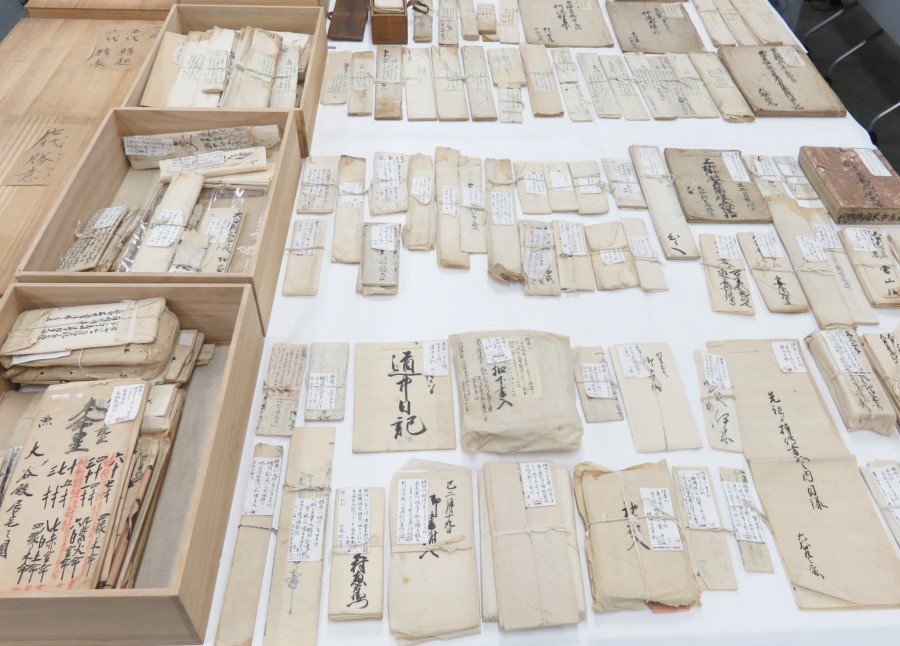
The image to the right shows the extensive amount of historical records possessed by the Otani family. Like Kenzo Kawakami, Professor Ikeuchi Satoshi also has access to these records recently, decades later. After reviewing earlier research, it seems Kenzo Kawakami’s study of the documents was very flawed or even deliberately misleading. Professor Ikeuchi Satoshi concluded it was inconceivable Kawakami was unaware of Japan’s Dokdo travel ban. Professor Ikeuchi theorizes Kawakami deliberately withheld some records detrimental to Japan’s claim to Takeshima (Dokdo).
A Translation of Ikeuch Satoshi’s Discovery
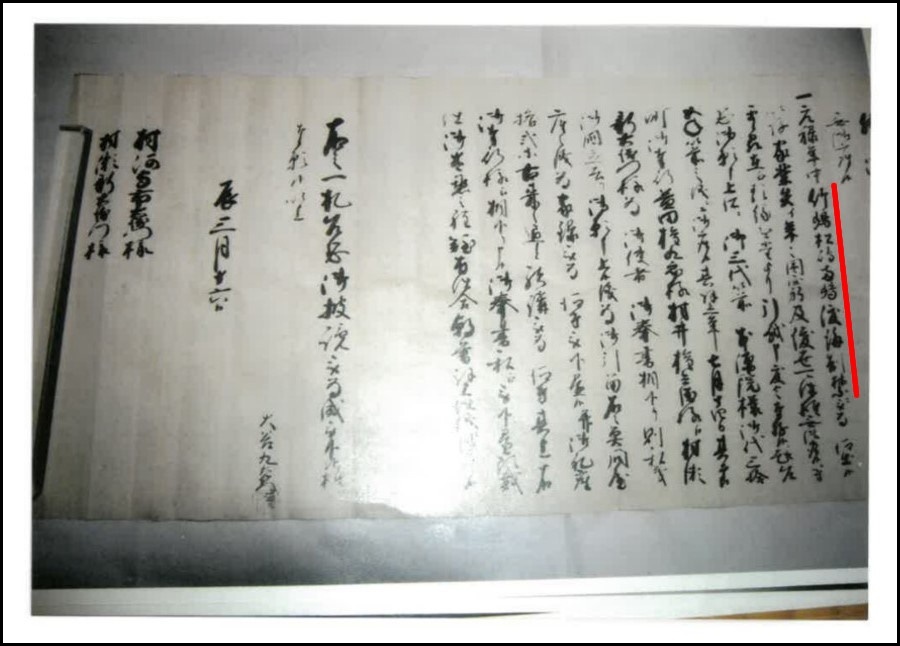
“…The document is a petition submitted in Genbun 6 (1741) by the fourth-generation Otani Kyū emon Katsufusa to the Edo Shogunate’s Commissioner of Accounts, seeking protection for his family’s business. Following the Genroku 9 (1696), the Genroku Ban on Voyages to Takeshima brought an end to the Ohtani family’s voyages to Takeshima (Ulleungdo).
The part of this historical document that deserves attention is this bold section. When asked by the Accountant-General,
Japanese Text:
竹嶋松嶋両嶋之渡海を御願奉申上内存ニ而有之哉と御尋御座候、依之私共申上候ハ、全以前之通両嶋之渡海之儀奉願候儀ニ而ハ無御座候、嶋渡海之儀者先年御制禁ニ被為仰付候上.
Translation:
“Do you intend to request permission to cross to both Takeshima and Matsushima Islands as before?”,
Otani Kyūemon reportedly replied, “I have absolutely no intention of requesting permission to cross to both islands as before. Crossing to the islands was prohibited by imperial decree several years ago…”
Shimane Prefecture’s Takeshima Website Reports Ikeuch Satoshi’s Findings
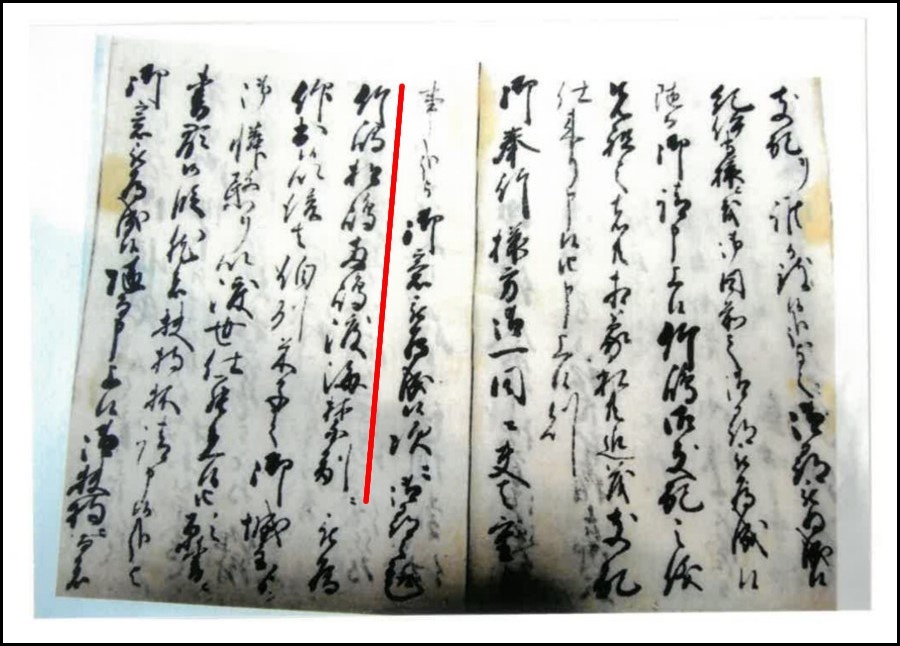
“…On June 16, 2019, at a meeting of the Shimane Prefecture Takeshima Issue Research Group, committee member Takashi Tsukamoto, in a presentation titled “The Ban on Travel to Takeshima in the Ninth Year of Genroku and Matsushima,” noted that the *Otani Family Historical Documents*, compiled by Fumiko Otani, contained historical documents with catalog numbers 3–33 and 3–34 that matched the content of the document introduced by Mr. Ikeuchi. In addition, a female staff member at the Takeshima Archives informed us that the text “Prohibition on Travel to Takeshima and Matsushima” appears in the undated “Statement of Respectful Submission” from the era of Katsuki Ōtani VIII (catalog numbers 4–8). This document was written by Ōtani Kyūemon to Murakawa Yoichi-zaemon and Murase Shinsaku-emon, retainers of the Arao clan (the castle stewards of Yonago), explaining the history of the Ōtani family; it attributes the loss of their family business and subsequent financial hardship to the “Prohibition on Crossing to Takeshima and Matsushima.” Although the document is dated “the 16th day of the third month of the Year of the Dragon,” the only Year of the Dragon during Katsuki’s era was 1772 (the first year of the An’ei era); therefore, this account was written more than 70 years after the ban on crossing to Takeshima was imposed in the ninth year of the Genroku era…”
Link to Shimane Takeshima Website article (Japanese)
The Takeshima Issue as Told by the “Otani Family Documents”
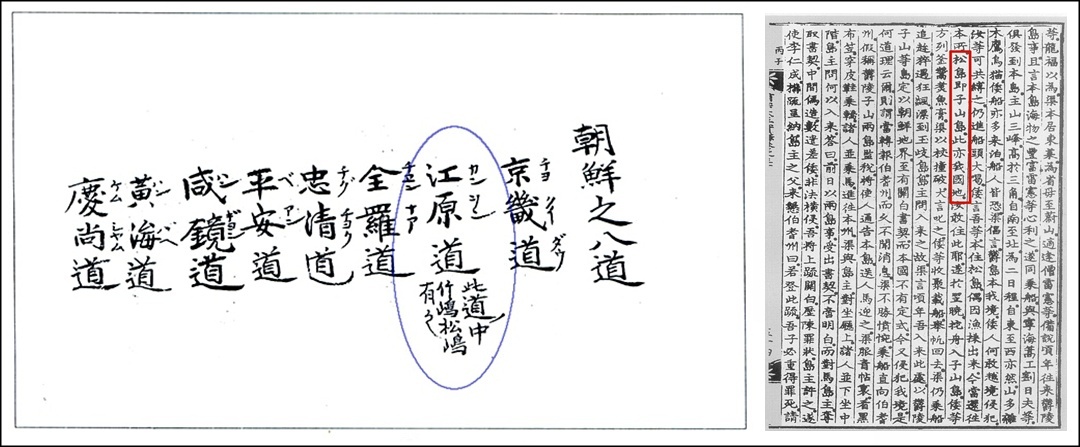
Left Image Letter from Otani Kyūemon Katsuki to Officials in Yonago (Otani Family Documents 4–8) Right Image: “Otani Family Documents 3–33,” which records the interrogation by the Temple and Shrine Commissioner. These records confirm the “Takeshima Incident” in 1696 involved both Ulleungdo and Dokdo. They also prove Japan’s travel ban included both islands.
The Importance of Professor Ikeuchi Satoshi’s Discovery.
This simple phrase “竹嶋松嶋両嶋渡海制禁” (Prohibition of travelling to Takeshima and Matsushima) carries great implications in determining the historical ownership over Dokdo. We can draw some conclusions from the research of Professor Ikeuchi Satoshi
Japanese have long (wrongly) asserted:
“..The Takeshima incident did not involve Dokdo…”
“…Because there was no travel ban on Dokdo the Japanese Shognate considered the island Japanese territory…”
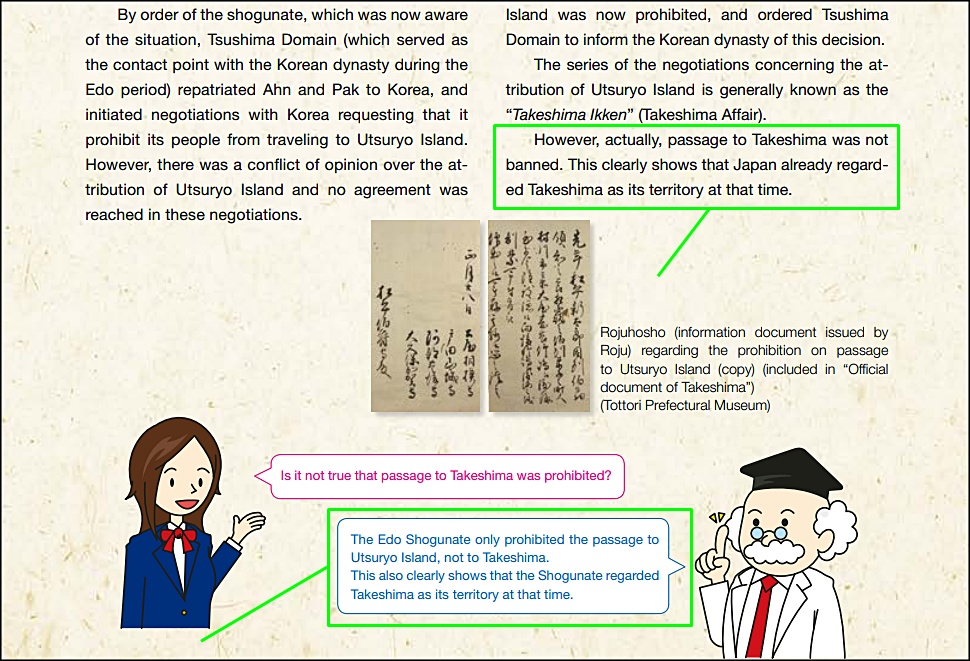
As we see below, Japan’s position on Takeshima (Dokdo) still relies on Kenzo Kawakami’s 1966 claim there was no travel ban on Dokdo issued in 1696. This has now been proven false.
Japan’s Untenable Takeshima Position: Since 1966, based on the erroneous research of Kenzo Kawakami, Japan has wrongly asserted there was no prohibition on travel issued to Takeshima (Dokdo) in 1696. Above is an excerpt of Japan’s MOFA ’10 Points to Understand Takeshima’ issued in 2014.
Open minded researchers knew both Ulleungdo AND Dokdo were part of An Yong Bok’s dispute when he confronted Japanese trespassers in the late 17th Century. We had Korean government records and documents from Yonago, Japan’s Murakawa family archives proving Dokdo was also a issue of contention. But Japanese pointed to inconsistencies in these records to disregard them in their entirety.
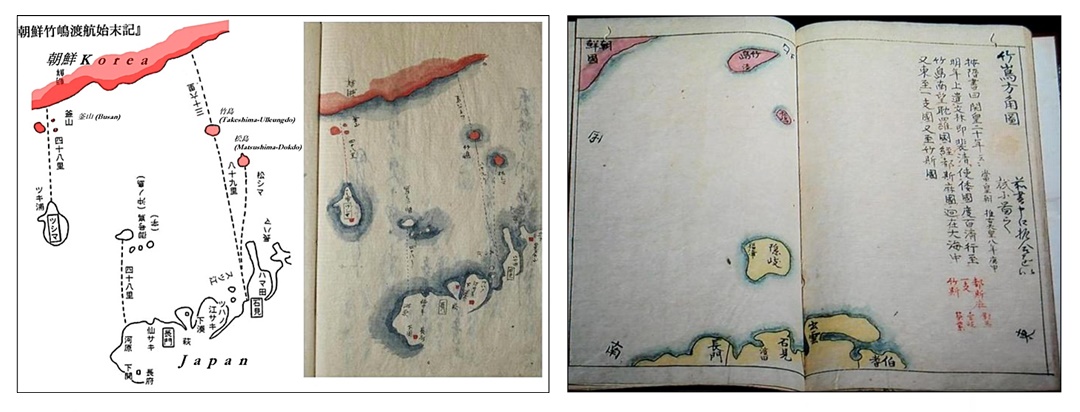
Above left: Anyeongbok’s map of Chosun (Korea) shows Ulleungdo () and Dokdo () as part of Gangwando Province (). Above right: In Korean records Anyeongbok quoted Dokdo is part of Korea when he confronted Japanese on Ulleungdo.
The Takeshima Incident in 1696 lead to Japan’s travel ban to Ulleungdo. Both Korean and Japanese historians have long agreed this amounted to Korea’s territorial rights over Ulleungdo Island. With the revelation Dokdo was included in the travel ban, it’s logical to conclude Dokdo also was considered Korean territory by Japan’s Shogunate after the Takeshima Incident.
With the travel ban in mind, the execution of Japanese merchant Hacheimon Azuya for travelling to the Ulleungdo / Dokdo region in 1836 makes sense. Likewise, the trial reference map showing both Ulleungdo and Dokdo coloured as Korean is consistent with the Japan’s position the islands belonged to Chosun.
CGH
TGH
It seems with each new discovery of historical data related to the Dokdo (Takeshima) issue, Korea’s historical title becomes more irrefutable. Japan’s MOFA needs to accept the fact Dokdo was never an inherent part of Japan but rather considered Korean territory.